
Breaking Barriers in Music: The Supremes' Historic No. 1 Album
The Rise of "The Supremes A' Go-Go" and the Triumph of Female Empowerment
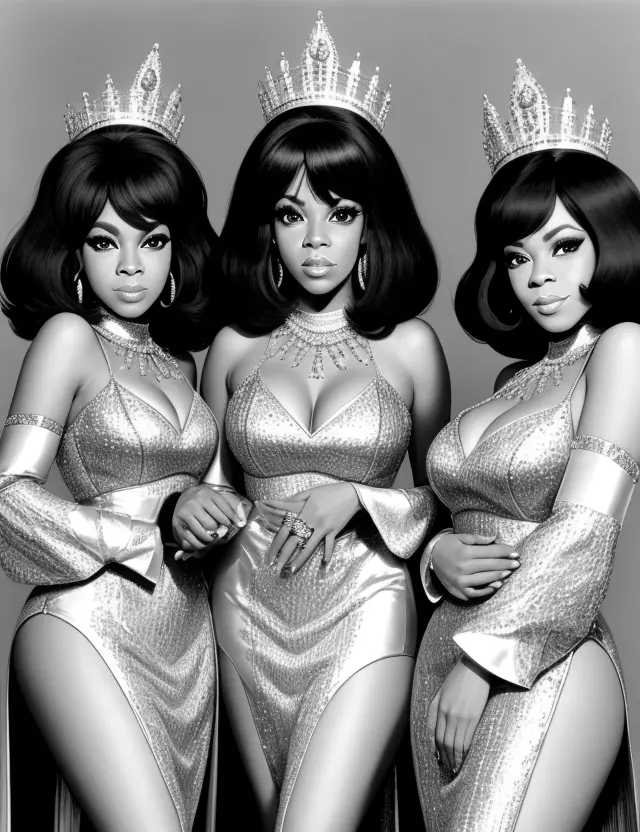
On October 22, 1966, The Supremes achieved a historic milestone in the music industry, becoming the first all-female group to claim the No. 1 spot on the Billboard 200 chart with their album "The Supremes A' Go-Go." This achievement not only marked a musical triumph but also a breakthrough for women in the world of popular music.
The Supremes: A Trailblazing Trio
The Supremes, consisting of Diana Ross, Mary Wilson, and Florence Ballard, were a trailblazing Motown group known for their soulful harmonies and chart-topping hits. They played a pivotal role in shaping the Motown sound and becoming one of the most influential acts of the 1960s.
The Motown Sound
Motown Records, under the leadership of Berry Gordy, was renowned for its distinctive blend of R&B, pop, and soul music. The Supremes were at the forefront of this musical revolution.
"The Supremes A' Go-Go"
Released in the summer of 1966, "The Supremes A' Go-Go" was an album that encapsulated the essence of the era. It featured a collection of upbeat, danceable tracks that resonated with audiences.
The No. 1 Triumph
The album's immense popularity catapulted it to the No. 1 position on the Billboard 200 chart, a feat previously unattained by an all-female group.
Impact on Women in Music
The Supremes' achievement shattered gender barriers in the music industry. They inspired generations of female artists, proving that women could achieve not only chart success but also shape the direction of popular music.
Timeless Hits
"The Supremes A' Go-Go" included hits like "You Can't Hurry Love" and "You Keep Me Hangin' On," which have endured as classics and are synonymous with the group's legacy.
Diana Ross's Legacy
Diana Ross, as the lead singer of The Supremes, went on to have a highly successful solo career, solidifying her status as a music icon.
The Supremes' ascent to the No. 1 spot on the Billboard 200 with "The Supremes A' Go-Go" on October 22, 1966, was not only a remarkable achievement in the music industry but a significant moment in the advancement of women in music. Their success not only broke gender barriers but also left an indelible mark on the history of popular music, inspiring future generations of female artists to follow their dreams and chart their own paths to stardom.
🎂 Happy Birthday 🎂

Lilli Kay

Lily Collins

Brad Dourif

Danneel Ackles