
On the Brink of Nuclear Conflict: President John F. Kennedy Announces the Cuban Missile Crisis
The Tense Confrontation That Brought the World to the Edge of War
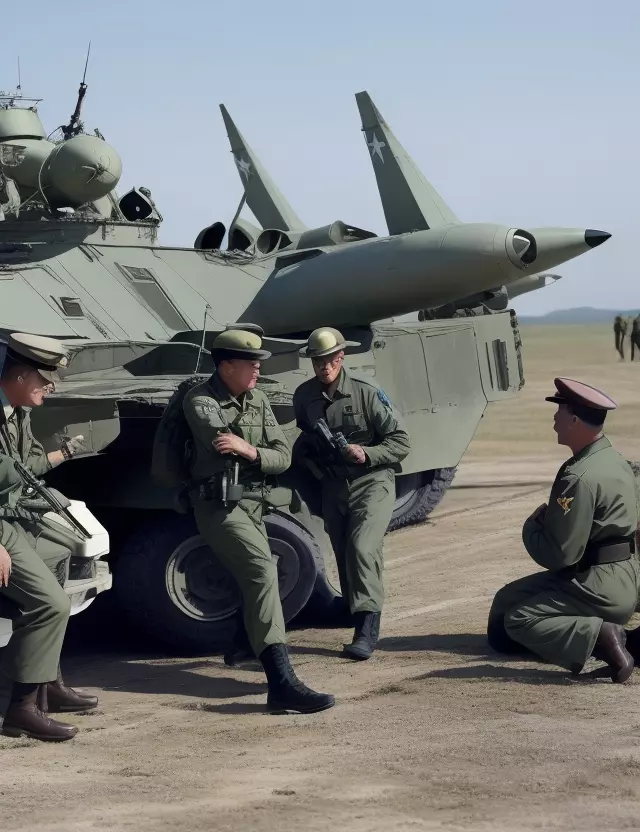
On October 22, 1962, President John F. Kennedy addressed the American public to reveal a shocking and dangerous discovery: the presence of Soviet missile bases in Cuba. This revelation marked the beginning of the Cuban Missile Crisis, a perilous standoff between the United States and the Soviet Union that brought the world to the brink of nuclear conflict.
The Cold War Context
The Cold War, a period of intense rivalry between the United States and the Soviet Union, had already seen numerous confrontations and proxy conflicts. The discovery of Soviet missiles in Cuba added a new and perilous dimension to this ongoing struggle.
Discovery of Missile Bases
American U-2 spy planes had captured photographic evidence of Soviet medium-range ballistic missiles and other military equipment being installed in Cuba. The images left no doubt about the presence of nuclear-capable missiles just 90 miles from U.S. shores.
President Kennedy's Address
In a televised address to the nation on the evening of October 22, 1962, President Kennedy informed the American public of the grave situation. He revealed the evidence of Soviet missile installations in Cuba and emphasized that such a development was unacceptable and posed an imminent threat to U.S. national security.
Tense Days and Global Anxiety
The revelation of the Cuban missile bases sent shockwaves across the United States and the world. It triggered a tense and anxious period during which the possibility of nuclear conflict loomed large.
A Naval Blockade and Diplomacy
In response to the crisis, President Kennedy ordered a naval blockade of Cuba to prevent further Soviet shipments of missiles and military equipment. Simultaneously, diplomatic channels were kept open to seek a peaceful resolution.
The Brink of War
For several days, the world watched as the two superpowers engaged in a high-stakes standoff. At various moments, it seemed that the situation might escalate into a nuclear war, with both sides prepared for the worst.
Resolution and De-escalation
After intense negotiations and diplomatic efforts, including a secret agreement to remove U.S. missiles from Turkey, the crisis was resolved. On October 28, 1962, Soviet Premier Nikita Khrushchev announced that the missile installations in Cuba would be dismantled. The world had narrowly averted a catastrophic nuclear conflict.
Legacy
The Cuban Missile Crisis served as a sobering reminder of the perils of nuclear brinkmanship and the urgent need for arms control and diplomacy during the Cold War. It resulted in a greater emphasis on direct communication between the United States and the Soviet Union to prevent such crises in the future.
Conclusion
The Cuban Missile Crisis, initiated by President John F. Kennedy's announcement on October 22, 1962, was a pivotal moment in the Cold War. It underscored the grave consequences of nuclear conflict and the importance of diplomacy and crisis management in averting global catastrophe. The crisis's resolution demonstrated the significance of communication and negotiation in times of perilous international tension.
🎂 Happy Birthday 🎂

Lilli Kay

Lily Collins

Brad Dourif

Danneel Ackles