
A Fragile Diplomatic Accord: North Korea Halts Its Nuclear Weapons Program
A Crucial Step Towards Reducing Tensions on the Korean Peninsula
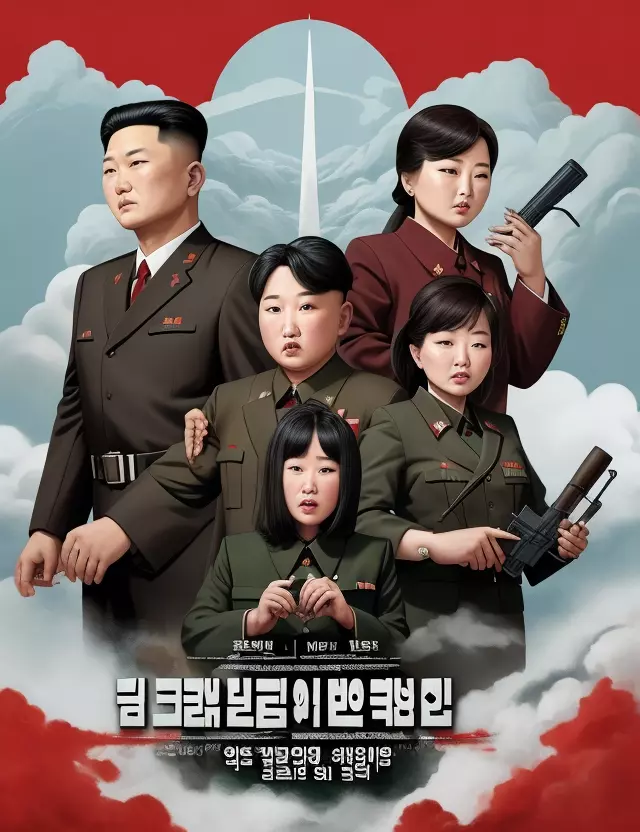
On October 21, 1994, a significant diplomatic breakthrough occurred when North Korea, under the leadership of Kim Il-sung, signed an agreement with the United States known as the Agreed Framework. This accord marked a pivotal moment in international efforts to halt North Korea's nuclear weapons program and reduce tensions on the Korean Peninsula.
Background of the Korean Peninsula
The Korean Peninsula had long been a hotbed of political and military tensions, particularly in the wake of the Korean War (1950-1953). North Korea's pursuit of a nuclear weapons program further exacerbated these tensions.
North Korea's Nuclear Ambitions
By the early 1990s, North Korea had initiated a nuclear program that raised concerns within the international community. The nation's nuclear activities, including the reprocessing of nuclear fuel, led to fears of nuclear proliferation.
The Agreed Framework
The Agreed Framework, negotiated by the United States and North Korea, aimed to address these concerns. The key points of the agreement included North Korea's commitment to freeze and eventually dismantle its nuclear weapons program in exchange for economic aid, including fuel oil shipments and the construction of two light-water nuclear reactors for peaceful purposes.
Implementation Challenges
The implementation of the Agreed Framework faced several challenges and delays. North Korea's compliance was a subject of ongoing verification and monitoring.
International Significance
The signing of the Agreed Framework had international significance as it signaled a diplomatic approach to addressing nuclear proliferation issues. It reflected the potential for dialogue and negotiation to resolve conflicts.
Tensions Resurface
While the Agreed Framework initially appeared to reduce nuclear tensions on the Korean Peninsula, difficulties arose in the late 1990s and early 2000s. Accusations of non-compliance and disputes led to renewed tensions.
Dismantling of the Agreement
Ultimately, the Agreed Framework was dismantled in the mid-2000s, and North Korea resumed its nuclear weapons program, conducting nuclear tests in defiance of international agreements.
Legacy and Ongoing Diplomacy
The signing of the Agreed Framework in 1994 remains a pivotal moment in the history of diplomatic efforts to address North Korea's nuclear ambitions. It set the stage for subsequent negotiations, including the Six-Party Talks, aimed at denuclearization.
Conclusion
The signing of the Agreed Framework on October 21, 1994, represented a diplomatic milestone in addressing North Korea's nuclear weapons program. While the agreement faced challenges and was ultimately dismantled, it remains a testament to the potential for diplomatic dialogue in addressing complex international issues. The ongoing efforts to reduce tensions and achieve denuclearization on the Korean Peninsula continue to be a critical focus of global diplomacy.
🎂 Happy Birthday 🎂

Bruce Willis

Ebon Moss-Bachrach

Glenn Close

Caylee Cowan