
A Pact of Peace and Boundaries: The Convention of 1818 Sets the U.S.-Canada Border (October 20, 1818)
Negotiating the Northern Border and Securing Peace
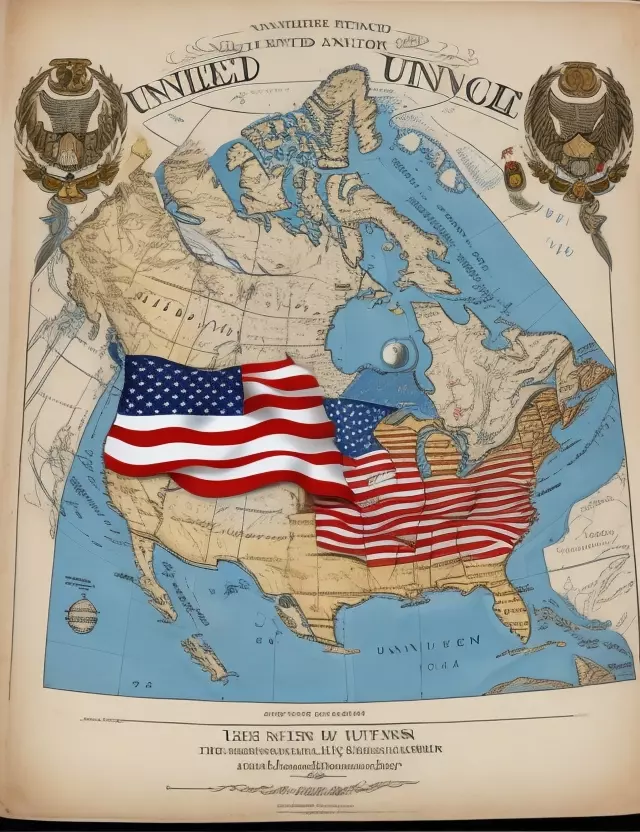
On October 20, 1818, an important diplomatic agreement was reached between the United States and the United Kingdom. The Convention of 1818 established the northern border between the U.S. and Canada, resolving territorial disputes and marking a significant step towards peaceful coexistence.
Territorial Disputes and the Need for Resolution
In the early 19th century, the border between the United States and Canada was a source of contention. Both nations laid claim to the vast territory of the Pacific Northwest, which included present-day Oregon, Washington, and parts of Idaho. The situation was further complicated by the fact that the region was inhabited by indigenous peoples and fur traders.
The Convention of 1818: Negotiations and Agreements
To avoid the potential for armed conflict, the U.S. and the U.K. initiated negotiations. The Convention of 1818 addressed several key points, including:
- The establishment of the 49th parallel as the boundary from the Lake of the Woods in Minnesota to the Rocky Mountains.
- Joint occupation of the Oregon Country (present-day Oregon and Washington) for ten years.
- The guarantee of navigation rights for both nations along the Columbia River.
Key Provisions and Their Impact
The Convention of 1818 had several important provisions:
- 49th Parallel: The agreement established the 49th parallel as the border, which remains a significant part of the U.S.-Canada border to this day.
- Oregon Country: Joint occupation of the Oregon Country allowed both nations to share and manage the region peacefully, setting the stage for future negotiations.
- Navigation Rights: Ensuring the rights to navigate the Columbia River was crucial for trade and the fur industry.
Diplomatic Success and Ongoing Relations
The Convention of 1818 is recognized as a diplomatic success that peacefully resolved a potentially volatile situation. It set the tone for ongoing diplomatic relations between the United States and the United Kingdom.
Legacy and the U.S.-Canada Border
The Convention of 1818 had a lasting impact on North American geography, as it helped to define the northern U.S.-Canada border, established a framework for peaceful resolution of disputes, and ensured shared interests in trade and navigation.
Conclusion
The Convention of 1818, finalized on October 20, 1818, was a critical moment in the history of U.S.-Canadian relations. It resolved territorial disputes, set the northern border, and paved the way for peaceful coexistence and cooperation between the two nations. The agreement's legacy endures in the form of the modern U.S.-Canada border and ongoing diplomatic ties.
🎂 Happy Birthday 🎂

Bruce Willis

Ebon Moss-Bachrach

Glenn Close

Caylee Cowan