
Hollywood Under Scrutiny: The House Un-American Activities Committee Investigates Communist Influence (October 20, 1947)
A Dark Chapter in the History of American Entertainment
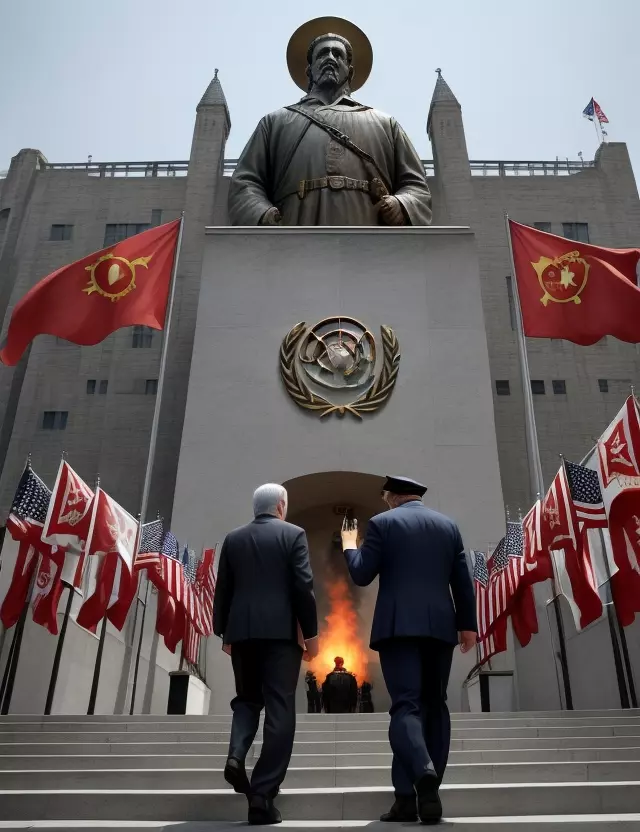
On October 20, 1947, the House Un-American Activities Committee (HUAC) initiated a highly controversial investigation into alleged Communist influence within the Hollywood film industry. This inquiry marked a significant moment in the intersection of politics and entertainment, with profound consequences for the industry and its practitioners.
The Red Scare and McCarthyism
The post-World War II period was characterized by intense anti-communist sentiment in the United States, commonly referred to as the Red Scare. The fear of Communist infiltration into American institutions led to the rise of McCarthyism, marked by the aggressive pursuit of suspected Communists.
Hollywood's Appeal and Suspicions
Hollywood held immense cultural influence, making it a prime target for those who believed that Communists were using the film industry to promote their ideology. The idea of "un-American" activities, including alleged Communist sympathies, became a focal point of investigations.
The Role of the House Un-American Activities Committee (HUAC)
The HUAC, a congressional committee tasked with investigating suspected subversion and disloyalty, turned its attention to Hollywood. It summoned actors, writers, directors, and others involved in the film industry to testify about their political beliefs, associations, and potential Communist ties.
Key Figures and Testimonies
Prominent figures from Hollywood, such as the "Hollywood Ten" (a group of screenwriters and directors), were among those subpoenaed to testify. Some refused to cooperate, asserting their First Amendment rights, while others provided information about their political affiliations under duress.
Consequences and Blacklisting
The HUAC investigations had severe consequences for many in the industry. Those who were identified as having Communist ties or refused to cooperate with the committee faced blacklisting, effectively ending their careers in Hollywood.
The Hollywood Blacklist
The Hollywood Blacklist was a controversial practice where individuals accused of being Communists or sympathizers were barred from employment in the industry. It had a chilling effect on the creative and political freedom of those working in Hollywood.
Legacy and Reflection
The investigations into alleged Communist influence in Hollywood remain a dark chapter in American history. The HUAC hearings and the Hollywood Blacklist had a lasting impact on the film industry and the broader discourse of free speech and artistic expression.
Conclusion
The House Un-American Activities Committee's investigation into Communist influence in the Hollywood film industry, initiated on October 20, 1947, was a deeply contentious moment in the history of American entertainment and politics. It left a lasting legacy of fear, censorship, and the suppression of political dissent in one of the most influential cultural sectors in the United States.
🎂 Happy Birthday 🎂
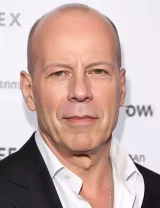
Bruce Willis

Ebon Moss-Bachrach
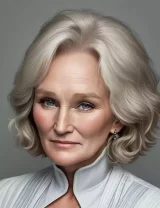
Glenn Close

Caylee Cowan