
The End of an Era: Muammar Gaddafi's Capture and Demise during the Libyan Civil War on October 20, 2011
A Transformative Moment in Libya's History
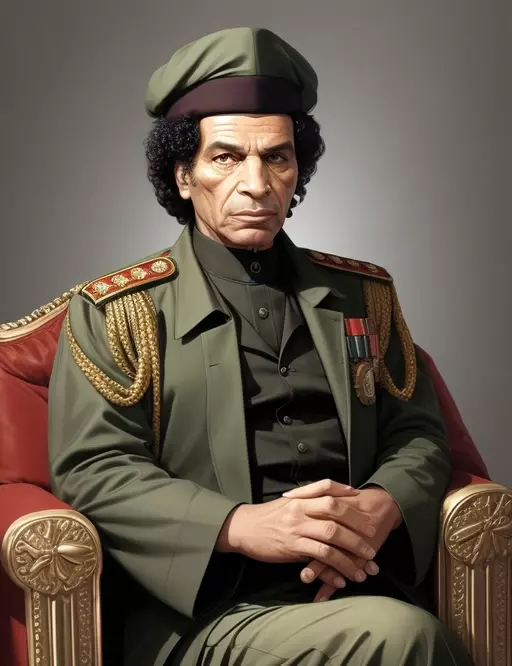
On October 20, 2011, a dramatic and historic chapter in Libya's tumultuous history came to a close when Muammar Gaddafi, the long-time Libyan leader, was captured and killed during the Libyan Civil War. This event marked a turning point in the country's destiny and the end of Gaddafi's four-decade-long rule.
Muammar Gaddafi: A Controversial Figure
Muammar Gaddafi was a controversial and enigmatic figure in the international arena. He ruled Libya with an iron fist for 42 years, adopting an idiosyncratic blend of authoritarianism and revolutionary rhetoric.
The Arab Spring and the Libyan Civil War
The year 2011 witnessed the Arab Spring, a series of uprisings and protests across the Arab world, including Libya. Protests against Gaddafi's regime rapidly escalated into a full-blown civil war, with opposition forces seeking to topple his rule.
The Capture of Muammar Gaddafi
After months of conflict, Gaddafi's rule crumbled, and his reign of power came to an end. On October 20, 2011, he was captured by anti-Gaddafi forces in his hometown of Sirte. The capture marked a significant moment in the Libyan Civil War and was a turning point in the conflict.
The Demise of Muammar Gaddafi
The circumstances surrounding Gaddafi's death remain a subject of debate. After his capture, he was reportedly shot and killed. His death signaled the end of an era, as well as the closing chapter on his decades-long rule.
The Aftermath and Libya's Transition
Following Gaddafi's death, Libya faced a challenging period of transition. The country grappled with political instability, regional conflicts, and security challenges as it sought to establish a new government and a path toward a more democratic future.
Legacy and Ongoing Repercussions
The legacy of Muammar Gaddafi's rule and his ultimate demise continue to impact Libya and the broader region. The Libyan Civil War had far-reaching consequences and contributed to the broader regional dynamics of the Middle East and North Africa.
Conclusion
Muammar Gaddafi's capture and death on October 20, 2011, marked a momentous event in Libya's history. It brought an end to his lengthy and often tumultuous rule, although the country faced significant challenges in the aftermath. The Libyan Civil War, Gaddafi's capture, and the ensuing political transformation represent a complex and transformative chapter in the history of the nation and the region.
🎂 Happy Birthday 🎂

Bruce Willis

Ebon Moss-Bachrach

Glenn Close

Caylee Cowan