
Marie Antoinette: From Austrian Archduchess to the Queen of France
The Life and Legacy of a Controversial Queen
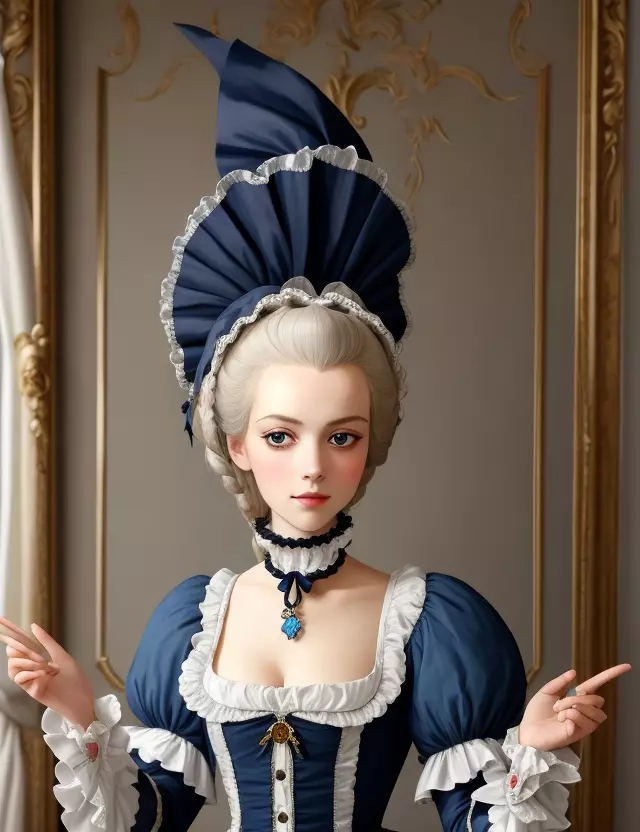
On November 2, 1755, in Vienna, Austria, Maria Antonia Josepha Johanna, who would later become known as Marie Antoinette, was born. She would go on to become the Queen of France, making a significant impact on the history of both her native Austria and her adopted homeland, France. Her life was marked by extravagance, controversy, and ultimately, tragic consequences during the tumultuous times of the French Revolution.
The Archduchess of Austria
Marie Antoinette was the daughter of Empress Maria Theresa of Austria and Holy Roman Emperor Francis I. She was born into the powerful Habsburg dynasty, which ruled over a vast European empire.
Marriage to Louis XVI
In 1770, Marie Antoinette married Louis-Auguste, the Dauphin of France, who would later become King Louis XVI of France. The marriage was intended to strengthen the diplomatic ties between Austria and France.
Life at the French Court
Upon her arrival in France, Marie Antoinette was thrust into the opulent yet rigid world of the French court at Versailles. She faced numerous challenges, including political pressures and the expectations of the French nobility.
Extravagance and Scandal
Marie Antoinette's reign as Queen of France was marked by extravagant spending and a lavish lifestyle, earning her the nickname "Madame Deficit." Her reputation was tarnished by rumors of frivolity and extravagance.
The French Revolution
The French Revolution, which began in 1789, marked a period of profound change and upheaval in France. Marie Antoinette and her husband, Louis XVI, faced increasing discontent and hostility from the French populace.
The Fall of the Monarchy
In 1792, the monarchy was abolished, and the royal couple was arrested. They were put on trial and found guilty of treason. The king was executed by guillotine in January 1793.
Marie Antoinette's Fate
Marie Antoinette endured imprisonment, suffering, and separation from her children. She faced a highly publicized trial and was ultimately sentenced to death.
The Queen's Execution
On October 16, 1793, Marie Antoinette faced the guillotine and was executed in the Place de la Révolution in Paris. Her execution marked the tragic end of her life.
Legacy
Marie Antoinette's life and reign continue to be a subject of fascination and historical debate. She is remembered for her complex role in the events leading up to and during the French Revolution, and her story serves as a cautionary tale about the perils of extravagance and the consequences of political upheaval.
Conclusion
Marie Antoinette's birth on November 2, 1755, marked the beginning of a life filled with opulence, controversy, and ultimately, tragedy. Her journey from the Austrian court to Versailles and her tumultuous reign as the Queen of France reflect the complex dynamics of 18th-century European politics and the profound changes brought about by the French Revolution. Marie Antoinette remains a historical figure whose life and legacy continue to captivate and intrigue.
🎂 Happy Birthday 🎂

Lilli Kay

Lily Collins

Brad Dourif

Danneel Ackles