
Fulfilling a Promise: General Douglas MacArthur's Return to the Philippines in 1944
Liberation and Redemption in World War II
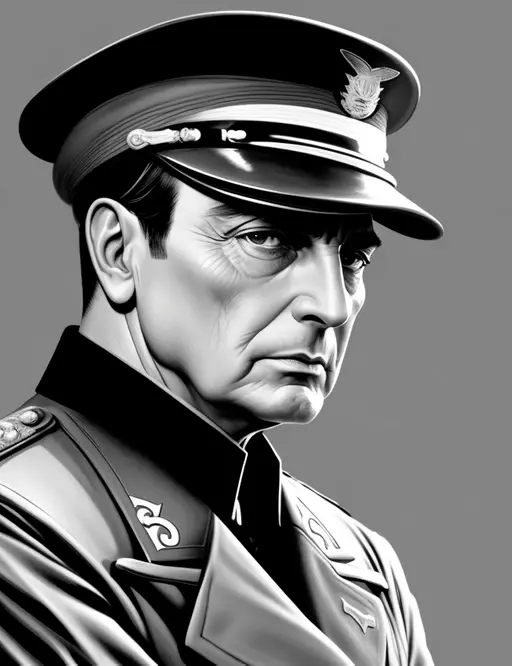
On October 20, 1944, a defining moment in World War II occurred as General Douglas MacArthur, the iconic American military leader, made a triumphant return to the Philippines. His landing marked the fulfillment of a promise to liberate the country from Japanese occupation, a moment that would become a symbol of hope and redemption.
The Philippines in World War II
The Philippines played a significant role in the early stages of World War II. After the Japanese attack on Pearl Harbor in 1941, they quickly overran the Philippines, leading to a brutal occupation marked by hardship and suffering for the Filipino people.
General Douglas MacArthur: A Promise Kept
General Douglas MacArthur, who had been forced to evacuate the Philippines in 1942, famously vowed, "I shall return." His promise to come back and liberate the Philippines became a rallying cry of hope and resilience.
The Return and the Leyte Landing
In October 1944, MacArthur made good on his promise. He landed on the shores of Leyte in the Philippines, along with American forces, marking the beginning of the liberation of the archipelago. The landing was a massive amphibious operation and a critical moment in the Pacific theater of World War II.
The Battle of Leyte Gulf
The liberation of the Philippines was not without its challenges. The Battle of Leyte Gulf, one of the largest naval battles in history, took place as Japanese forces sought to repel the American advance. It was a hard-fought battle that resulted in the liberation of Leyte and the fulfillment of MacArthur's promise.
A Symbol of Hope and Liberation
MacArthur's return to the Philippines was met with jubilation by the Filipino people, who had endured great suffering during the Japanese occupation. It was a symbol of hope, redemption, and the eventual triumph of Allied forces in the Pacific.
The Road to Victory and the Philippines' Independence
The liberation of the Philippines set in motion the eventual defeat of Japan and the end of World War II. The Philippines would go on to gain independence in 1946, and MacArthur's promise fulfilled its ultimate purpose: the liberation of a nation.
Conclusion
General Douglas MacArthur's return to the Philippines on October 20, 1944, was a momentous event in World War II and a powerful symbol of liberation and hope. His promise to come back and fulfill his duty as a military leader brought the light of freedom to a nation that had suffered under occupation. The return to the Philippines was a testament to the resilience of the Filipino people and the dedication of the Allied forces to achieving victory in the Pacific.
🎂 Happy Birthday 🎂

Bruce Willis

Ebon Moss-Bachrach

Glenn Close

Caylee Cowan