
A Bitter Divide: The United States Imposes an Embargo on Cuba (October 20, 1960)
The Start of Decades of Strained U.S.-Cuba Relations
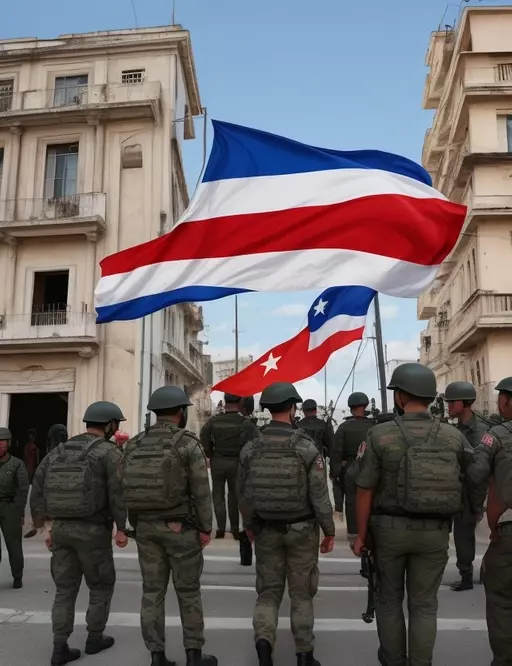
On October 20, 1960, the United States implemented an embargo on Cuba, commencing a protracted period of strained relations between the two nations. This embargo, imposed during the Cold War era, had far-reaching political, economic, and social consequences.
Cuban Revolution and the Rise of Fidel Castro
The roots of the U.S.-Cuba conflict can be traced back to the Cuban Revolution of 1959, led by Fidel Castro. The revolution resulted in the overthrow of the U.S.-backed Batista regime and the establishment of a communist government in Cuba.
Escalating Tensions
As Fidel Castro's government implemented socialist reforms and nationalized American-owned businesses, tensions between the United States and Cuba escalated. The U.S. was concerned about the spread of communism in the Western Hemisphere.
The Embargo's Imposition
On October 19, 1960, the U.S. placed an embargo on exports to Cuba, which became effective the following day. The embargo included restrictions on trade and financial transactions, effectively isolating Cuba from the American economy.
Economic and Social Impact on Cuba
The embargo had a significant economic impact on Cuba, leading to shortages of goods and difficulties in maintaining its infrastructure. It also influenced the nation's political and social dynamics.
Cuban Missile Crisis
The tension between the United States and Cuba culminated in the Cuban Missile Crisis of 1962, a 13-day standoff during which the world teetered on the brink of nuclear conflict. The crisis was resolved with an agreement between the U.S. and the Soviet Union to remove missiles from Cuba and Turkey.
Long-Lasting Consequences
The embargo on Cuba persisted for decades, resulting in economic hardships for the Cuban people and contributing to political hostilities. It had a profound impact on U.S.-Cuba relations, which remained strained until a thaw in relations during the Obama administration.
Reevaluation of Policy
In December 2014, the United States announced a policy shift, initiating the process of normalizing relations with Cuba. This led to the reopening of embassies in both countries and some easing of travel and trade restrictions.
Conclusion
The imposition of the embargo on Cuba on October 20, 1960, marked the beginning of a long and complicated chapter in the history of U.S.-Cuba relations. The embargo's economic, political, and social consequences continued for decades, influencing global dynamics during the Cold War and beyond. The eventual thaw in relations in the 21st century signaled a new direction in the complex relationship between these two neighboring nations.
🎂 Happy Birthday 🎂

Bruce Willis

Ebon Moss-Bachrach

Glenn Close

Caylee Cowan