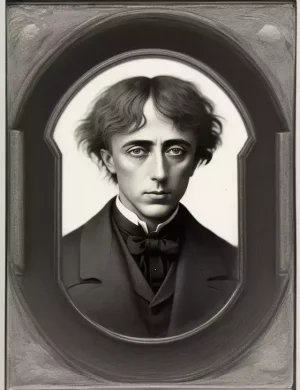
D.W. Griffith
Early Life and Entry into Filmmaking
David Wark Griffith, born on January 22, 1875, in La Grange, Kentucky, began his career in the fledgling film industry at the turn of the 20th century. His early experiences as an actor and writer paved the way for his entry into filmmaking.
The Birth of a Nation (1915)
Griffith's groundbreaking work came to prominence with the release of "The Birth of a Nation" (1915), a silent epic that marked a significant leap forward in the art of filmmaking. While praised for its technical innovations, the film also sparked controversy due to its portrayal of race.
Introducing Cinematic Techniques
Griffith's contributions to cinematic language were profound. He introduced and popularized techniques such as close-ups, cross-cutting, and tracking shots, revolutionizing the way stories were told on the silver screen. His innovative approach laid the foundation for modern filmmaking.
Notable Filmography
- The Birth of a Nation (1915): Despite its controversial themes, the film is recognized for its technical innovations and narrative structure.
- Intolerance (1916): A response to the criticism of "The Birth of a Nation," this epic showcased Griffith's storytelling prowess on a grand scale.
- Broken Blossoms (1919): A poignant silent film that demonstrated Griffith's ability to elicit emotion and empathy from audiences.
- Orphans of the Storm (1921): Another successful collaboration between Griffith and actress Lillian Gish, this film showcased his storytelling finesse in the context of historical drama.
Legacy and Impact
D.W. Griffith's legacy in the film industry is marked by his role as a pioneer and innovator. While his contributions to cinematic language are celebrated, it's essential to acknowledge the complexities of his work, especially regarding racial themes. Griffith's impact on storytelling and filmmaking techniques, however, remains an integral part of the history of cinema.
Later Life and Reflections
As the film industry evolved, Griffith's career saw changes in fortune. Despite financial challenges and shifts in public perception, his influence persisted. In his later years, Griffith reflected on his contributions to cinema, acknowledging the evolving nature of the art form he helped shape.
Enduring Contributions to Cinema
D.W. Griffith's enduring contributions to cinema go beyond the controversies associated with some of his work. As a trailblazer in the early days of the film industry, his innovations laid the groundwork for generations of filmmakers. Griffith's legacy is a testament to the power of cinema to captivate, innovate, and, at times, challenge societal norms.